
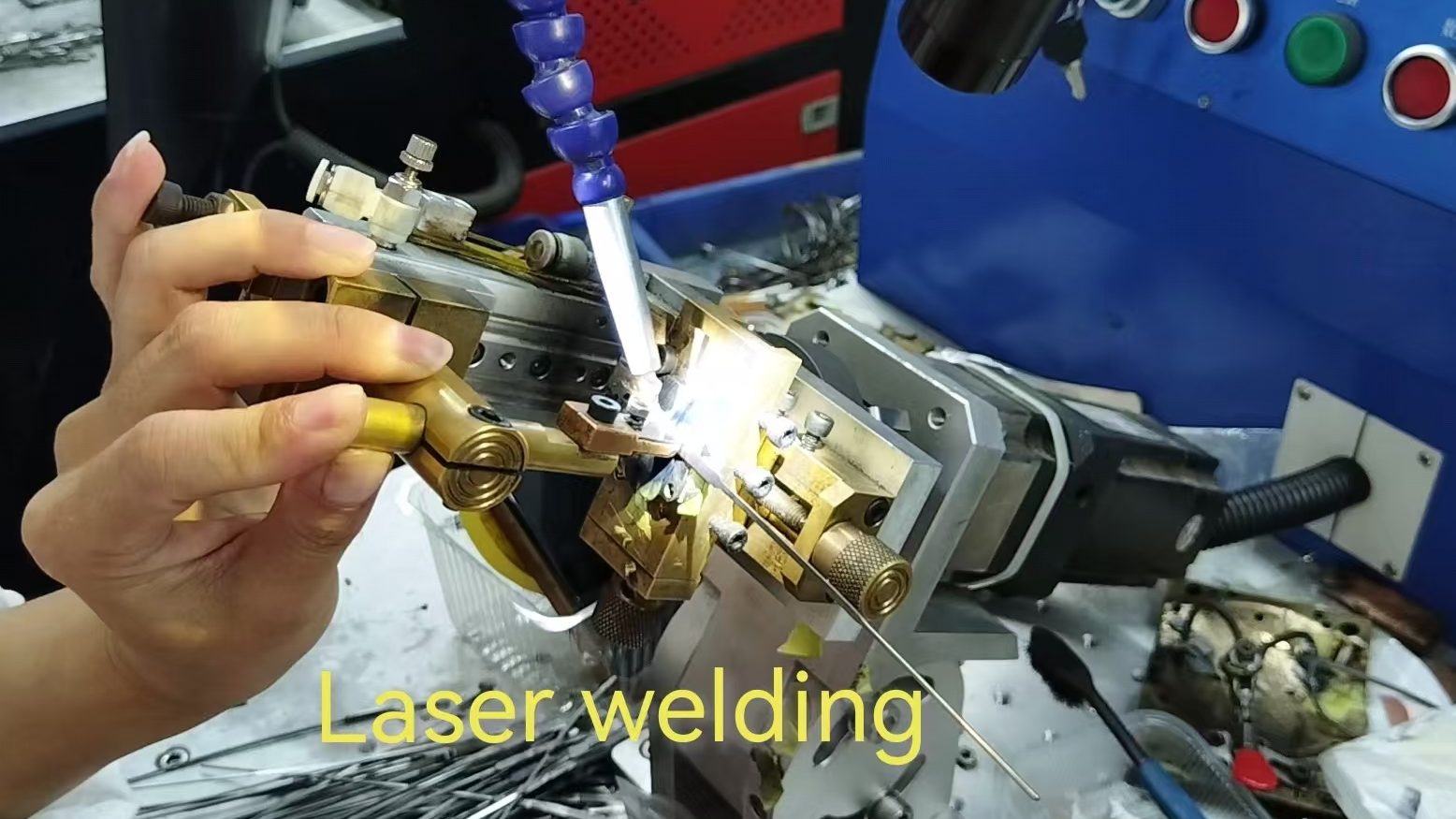
Why is laser welding technology widely used in the manufacturing of metal frame?
Laser welding technology has brought significant improvements to the manufacturing of metal eyewear, mainly in the following five aspects:
1. Stable quality: The defect rate of welding is much lower than that of traditional manual welding, with significant long-term economic benefits. The labor demand is reduced by 60%, making it suitable for long-term investment for production and manufacturing.
2.High precision and beauty: The laser beam can be focused to 0.1mm, resulting in smooth and aesthetically pleasing weld seams, with the heat affected zone being 60% smaller than that of traditional welding, making the weld invisible and the surface more beautiful and elegant.
3.Material protection: The rapid heating and cooling characteristics minimize the heat affected zone, preventing the deformation of the frame, especially suitable for high-end materials such as titanium alloys, maintaining the original properties of the metal, reducing losses and minimizing defective products.
4.Efficient production: The welding speed can be adjusted according to the actual situation, being 5-8 times faster than traditional methods, making it easy to be integrated with automation, and the equipment can have a high utilization rate.
Strong adaptability: It can weld various materials such as stainless steel, aluminum alloy, and titanium alloy, with high process flexibility, capable of handling complex structures.
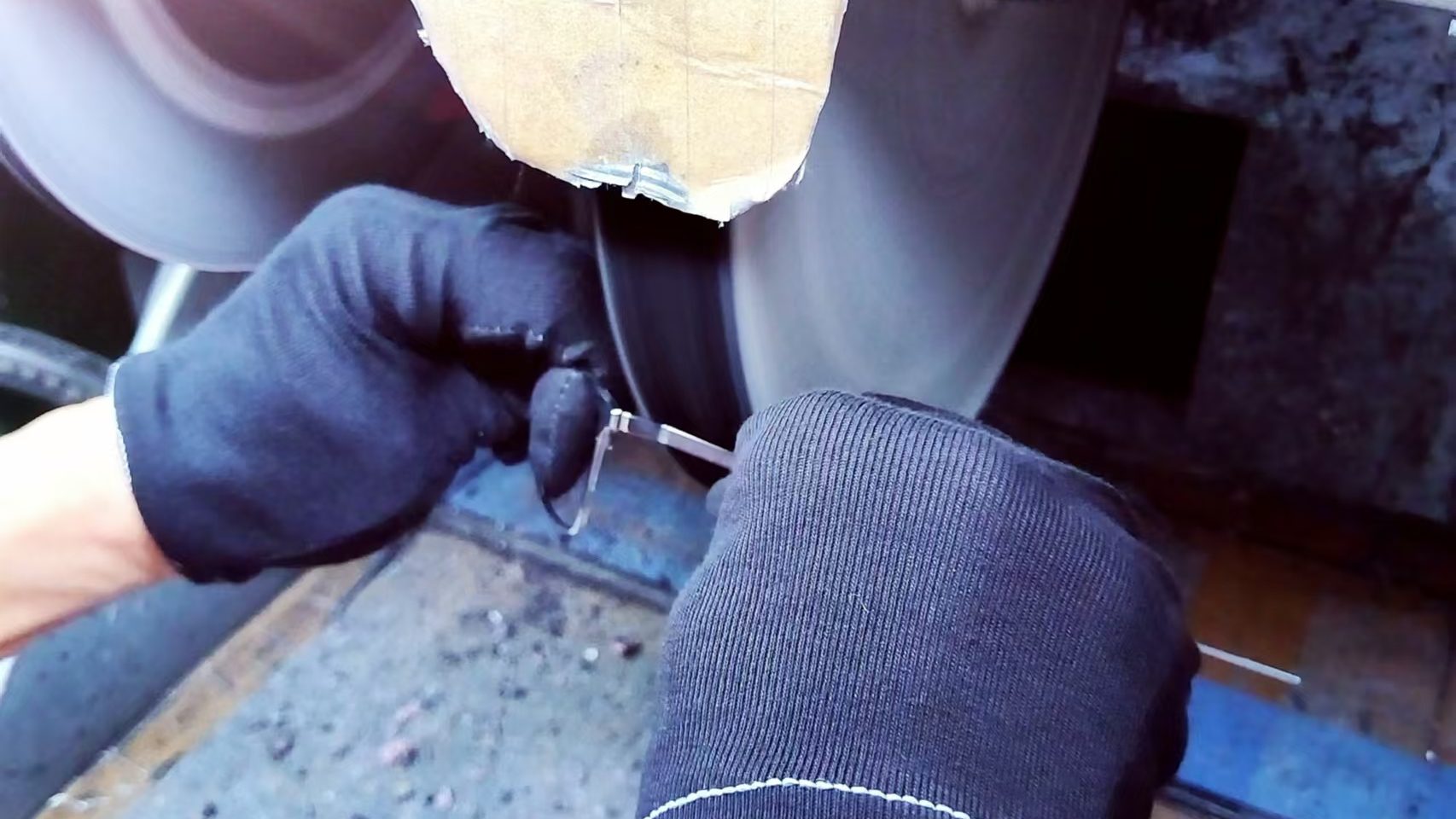
Why are the surfaces of some finished metal frame not aesthetically pleasing?
The main reasons are as follows:
- Poor quality materials were used. The materials themselves were of poor quality and could not be changed even after surface treatment.
- During the production process, improper operation might cause changes to the internal structure of the materials, such as welding or bending.
- The operation method for polishing the metal surface was incorrect, and the operator lacked sufficient experience.
- The quality inspection was not professional, either incomplete or not understanding the industry standards.
- Improper operation during electroplating led to continuous electroplating on the surface after it was attached.
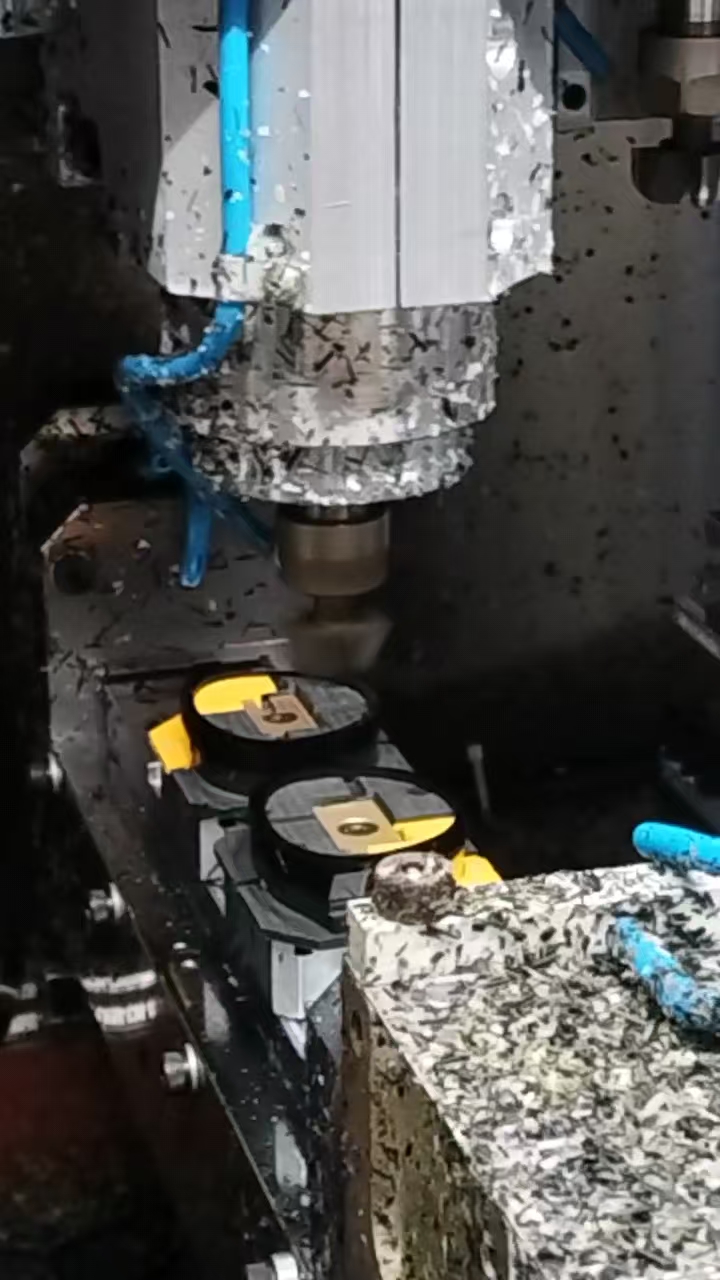
Why use CNC numerical control lathes to produce acetate frames?
1.The production of Acetate Frame involves the utilization of CNC machines, which offer precise processing capabilities and ensure consistent product quality.
2.Moreover, CNC machines enhance production efficiency, reduce labor costs, and enable the fabrication of intricate patterns and structures to cater to diverse customer requirements.
3.Additionally, the automated operation feature of CNC machines minimizes errors caused by human intervention during the manufacturing process.
4.In summary, employing CNC machine technology for Acetate Frame fabrication enhances product quality while reducing expenses and bolstering market competitiveness.
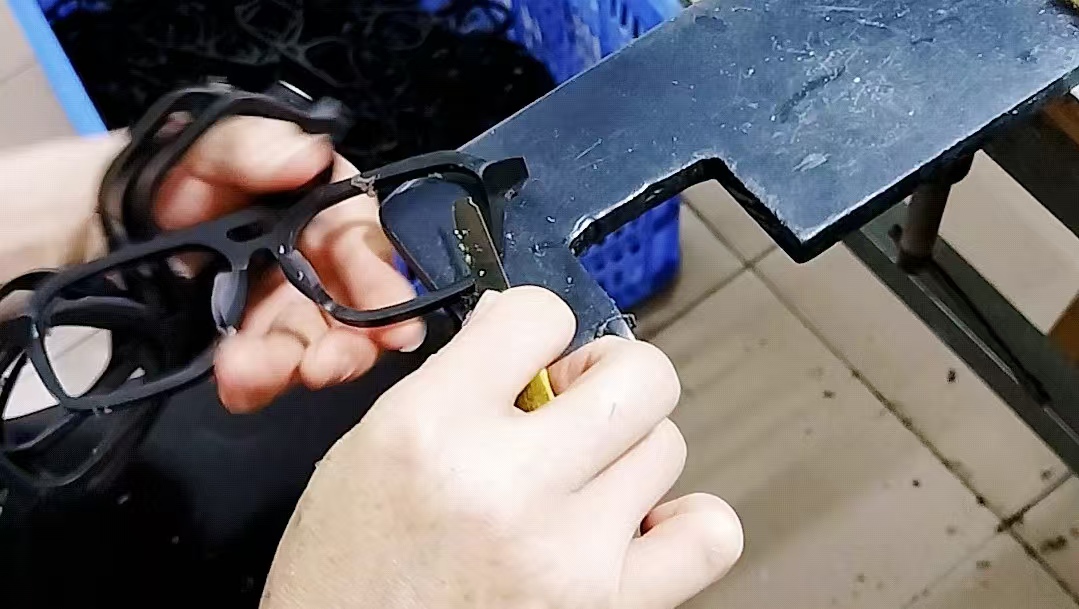
Why is it necessary to manually process acetate eyewear frames?
1. Firstly, manual treatment ensures that the surface quality and smoothness of each pair of acetic acid plate glasses meets the standard requirements to avoid defects or unevenness.
2. Secondly, through manual processing, special design, and customization according to customer needs, the glasses can be personalized, giving each pair a unique appearance and texture.
3. Additionally, manual processing not only improves production efficiency but also reduces the environmental impact caused by mechanical equipment to some extent.
4. In summary, treating the surface manually guarantees both the quality of acetic acid plate glasses and meets personalized needs.
The above is just a small fraction of the production and processing involved in making glasses. Even the simplest pair of glasses goes through nearly 70 or 80 different processes, while more complex ones require over 200 steps. As time progresses, production equipment becomes increasingly advanced and technology constantly evolves to create more exquisite products that meet the needs of customers and consumers.