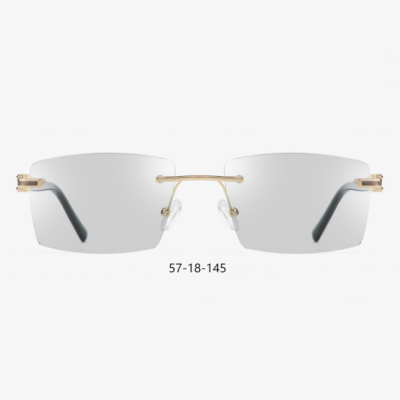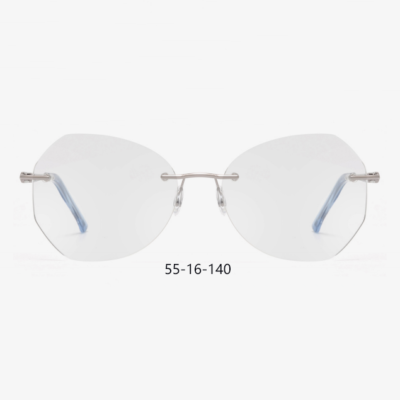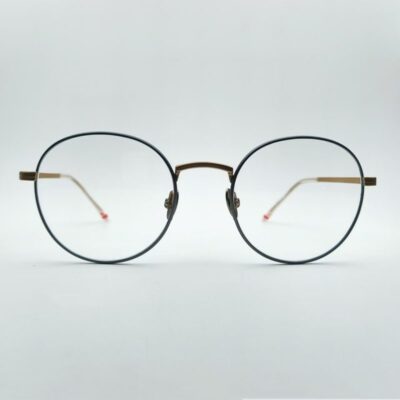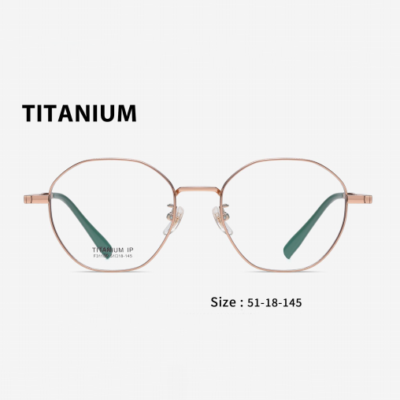
In today’s highly competitive market, where product homogenization is increasingly prevalent, achieving uniqueness in eyeglasses has shifted beyond functional optimization to encompass the strategic integration of material innovation and color aesthetics. This evolution represents not only a frontier for technological advancement but also a critical channel for fostering emotional engagement with consumers.
Material: From Functional Utility to Identity Expression
Conventional eyeglasses materials—such as metal and standard acetate—are being reimagined to offer enhanced performance and symbolic value. For instance, bio-based cellulose acetate (e.g., formulations developed by a Shenzhen-based advanced materials research institute) offers environmental sustainability and recyclability, while nano-coating technologies enable additional functionalities such as scratch resistance and blue light filtration. The incorporation of titanium alloy memory wire contributes to lightweight durability and superior elasticity, further supporting personalized engraving services that transform eyeglasses into distinctive personal emblems.
More significantly, intelligent materials are introducing transformative capabilities:
Thermochromic frames: These adapt their color in response to body or ambient temperature—transitioning from subdued gray during daily commutes to radiant gold at social events;
Self-healing coatings: Capable of autonomously repairing minor surface scratches under exposure to light, thereby extending product longevity and aligning with Generation Z’s values of sustainable consumption.
Color: Moving Beyond Conventional Palettes to Express Individuality
Color customization has evolved from a passive selection process to an active expression of identity. Leading brands leverage AI-powered color databases—such as one optical company’s repository of 100,000 curated palettes—to enable precise aesthetic alignment:
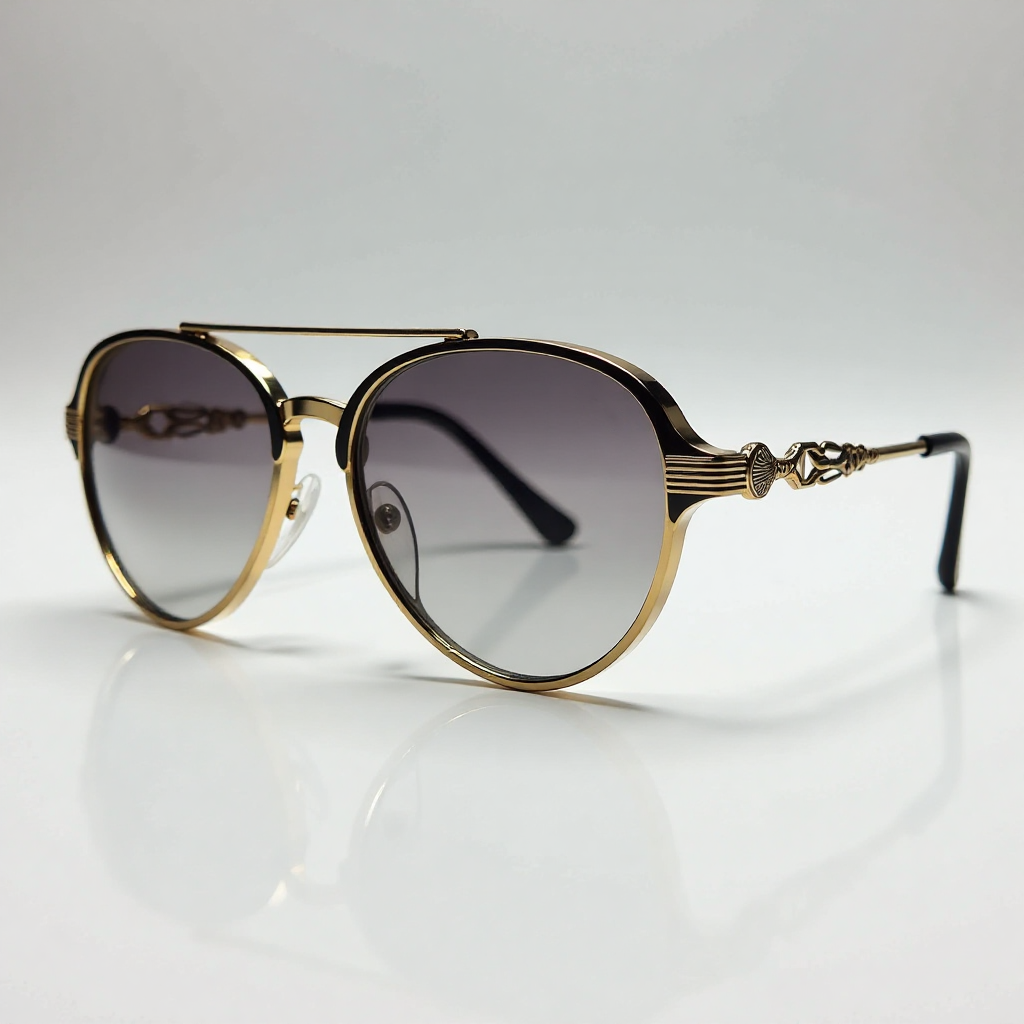
For corporate professionals: Cool gunmetal frames paired with gradient crystal lenses project an image of rationality and sophistication;
For fashion innovators: Fluorescent orange titanium frames combined with laser-reflective lenses serve as bold statements in urban streetwear contexts.
Further advancements include dynamic color technologies:
Electrochromic lenses: Allow users to adjust light transmittance via a mobile application—switching seamlessly from glare protection during morning exercise to soft illumination for nighttime use;
Photochromic frames: Respond to UV intensity by shifting from transparent to deep blue, enabling versatile wear across multiple environments—”one frame, multiple scenarios.”
Customization: From Product Satisfaction to Emotional Co-Creation
True differentiation arises when consumers become active participants in the design process. Key strategies include:
Modular architecture: Certain brands offer interchangeable temples, nose pads, and front frames, allowing users to assemble customized designs akin to modular construction systems;
Cultural IP collaborations: By integrating elements of intangible cultural heritage—such as Miao silverwork motifs or Dunhuang mural patterns—into frame engravings, products acquire narrative depth and cultural resonance.
In conclusion, the convergence of material engineering and color strategy elevates eyeglasses from a mere vision correction device to a medium of personal expression. When consumers wear these products, they do not merely enhance their sight—they communicate their identity and lifestyle. In an era where visual perception influences consumer judgment, uniqueness has become a decisive competitive advantage for brands aiming to stand out in the global marketplace.