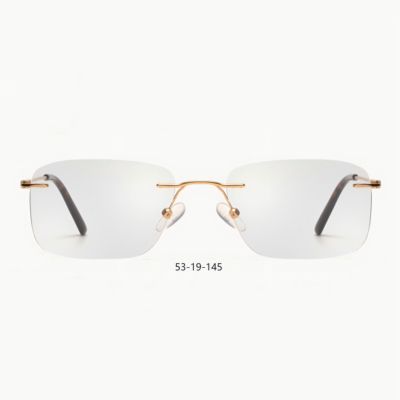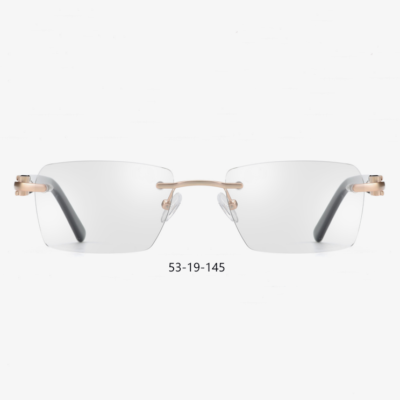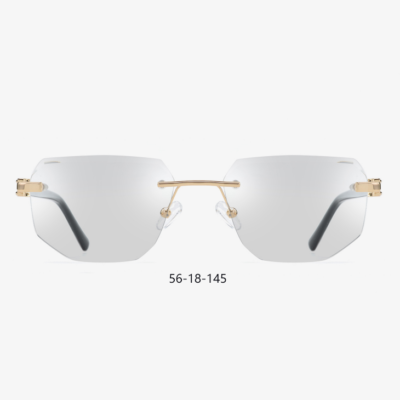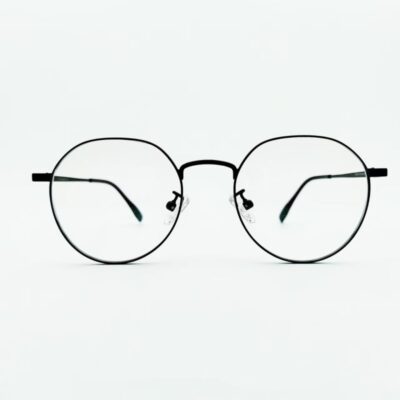
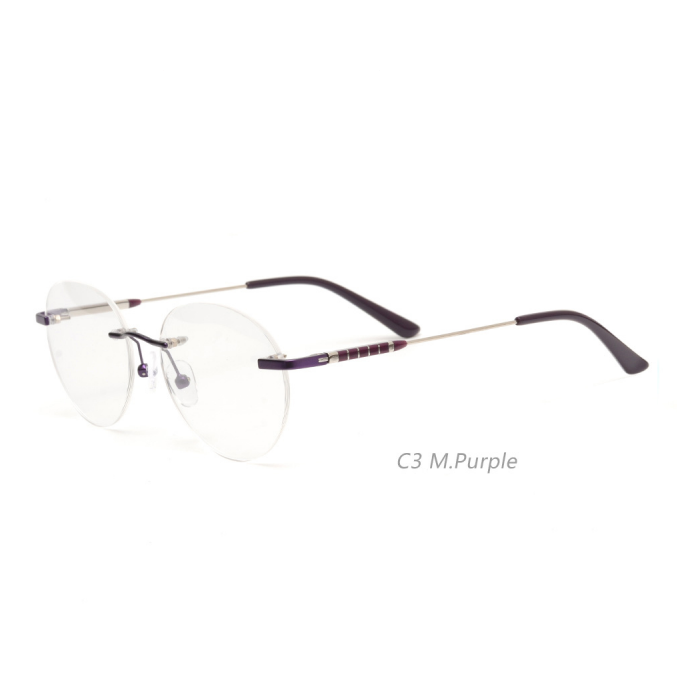
In the context of intensifying homogenization within the global eyewear market, product design and technological innovation have become pivotal in overcoming trade barriers and increasing added value. The following outlines a comprehensive value optimization strategy for eyewear products across four key dimensions: design innovation, technological empowerment, market adaptability, and supply chain collaboration.
1. Design Innovation: Dual Advancement in Functionality and Aesthetics
1.1 Personalized Customization and Scenario-Based Adaptation
Leverage 3D facial scanning technology to enable “face-specific customization” of frames, optimizing wearing comfort through data integration on facial structure and visual behavior patterns. Develop differentiated designs tailored to specific usage scenarios—such as sports, business, and outdoor activities—by incorporating features like adjustable nose pads and aerodynamic, wind-resistant temple arms, thereby addressing the growing demand for multi-functional eyewear per individual user.
1.2 Fashion Integration and Cultural Expression
Incorporate prevailing aesthetic trends—including Chinese heritage elements and minimalist design—into frame styling. Utilize advanced techniques such as micro-engraving and foldable composite materials to elevate the artistic and collectible value of products. Strengthen brand identity through strategic collaborations with fashion events (e.g., Paris Fashion Week) and renowned artists, enhancing visibility and emotional resonance with target consumers.
2. Technological Empowerment: Functional Enhancement and Intelligent Interaction
2.1 Advanced Eye Health Protection Technologies
Integrate health-oriented functionalities such as myopia progression control for adolescents and dry eye relief solutions. Implement smart features including dynamic fogging alerts and AI-driven eye usage monitoring systems. Deliver data-informed services to improve user engagement and long-term retention.
2.2 Lightweight Materials and Smart Connectivity
Employ high-performance materials such as magnesium alloys and biodegradable polymers to reduce frame weight (e.g., achieving ultra-lightweight 30-gram AI audio glasses). Embed voice translation and environmental sensing capabilities to expand application in professional and travel contexts, enabling seamless human-device interaction.
3. Market Adaptability: Regional Differentiation and Sustainability Leadership
3.1 Targeted Market Penetration Strategies
In European and North American markets, where premium customization and sustainability are prioritized, introduce eco-friendly frames made from biodegradable composites and plant-based fibers. For emerging markets in Southeast Asia and the Middle East, emphasize affordability and enhanced UV protection features aligned with local climate and consumer preferences.
3.2 Commitment to Sustainable Development
Adopt green manufacturing practices—including zero-emission electroplating processes—and implement circular packaging solutions. Pursue internationally recognized environmental certifications (e.g., B Corp) to align with the values of environmentally conscious, younger consumer segments, particularly Generation Z.
4. Supply Chain Collaboration: Agile Production and Cost Efficiency
Establish a flexible supply chain model based on “rapid prototyping and small-batch production” to support customized orders and fast replenishment cycles. Utilize modular design principles—for instance, interchangeable temple components—to generate over 500 configuration options while minimizing inventory risks. Optimize logistics efficiency through integrated cross-border distribution networks and localized warehousing, significantly reducing delivery lead times.
Conclusion
To achieve sustainable competitive advantage, eyewear manufacturers must transition from traditional “manufacturing” to intelligent, service-integrated “smart manufacturing.” By driving design innovation to meet personalized demands, reinforcing functional differentiation through technological advancement, and building brand equity via sustainability, companies can realize full-chain optimization encompassing product, service, and supply chain. This holistic approach enables differentiated positioning in the global marketplace and establishes enduring competitiveness.
Grand Eyewear – Your Trusted Partner in Eyewear Excellence.