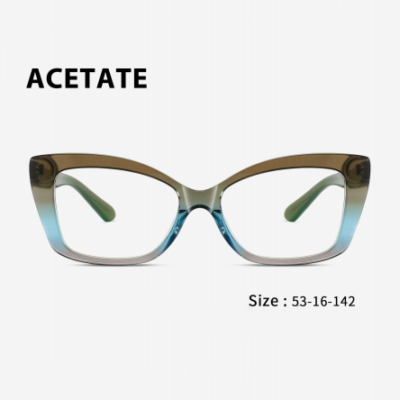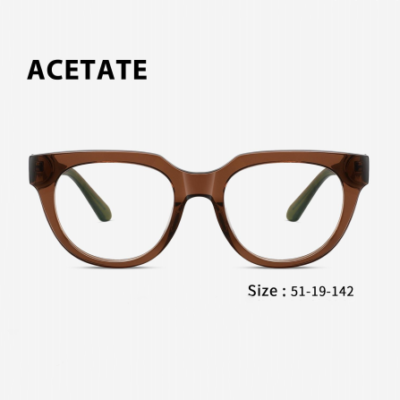

As the global eyewear wholesale market enters 2026, evolving consumer preferences—shaped by key fashion indicators from Milan and Paris Fashion Weeks and corroborated by platform-level transaction data—are accelerating structural shifts across product design, material selection, and supply chain strategy. Industry reports from Who What Wear, Iris, and Finewell collectively identify a pronounced global shift toward low-saturation, soft-toned palettes, with transparent gray, light tea (amber-infused), and muted pink/cream hues emerging as dominant chromatic themes. This trend reflects a broader move away from high-saturation, high-contrast coloration toward translucent, skin-neutral tones that demonstrate universal wearability—evidenced by a reported >30% increase in daily wear frequency—and significantly higher repeat purchase rates compared to conventional black frames.
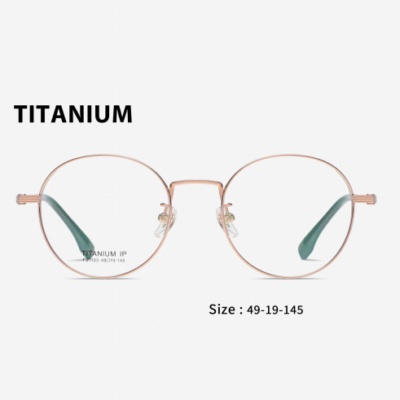
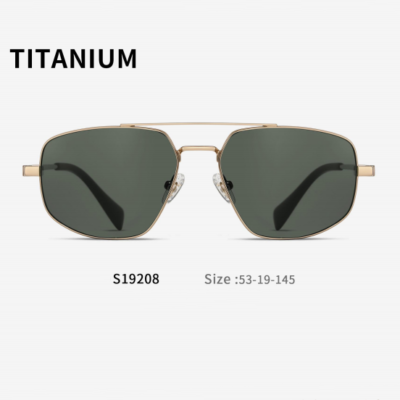
Material innovation is advancing in parallel: lightweight acetate and pure titanium have transitioned from premium options to category benchmarks. Acetate offers enhanced flexibility, biodegradability, and aesthetic versatility; titanium delivers ultra-lightweight construction (<10 g per frame), hypoallergenic performance, and long-term durability. Driven by rising consumer demand for “all-day comfort,” lightweight models now constitute 60% of newly launched SKUs, according to wholesale channel feedback.
Concurrently, inventory and sourcing strategies are undergoing fundamental recalibration. The traditional “fewer styles, higher volumes” model has been superseded by a “higher style count, smaller batch size” paradigm. Minimum order quantities (MOQ) of 100 units per style-color variant are now widely supported, enabling rapid prototyping, market validation, and agile iteration—thereby mitigating obsolescence risk and optimizing working capital efficiency. Leading wholesale platforms have institutionalized small-batch trial ordering as a standard commercial practice, facilitating retailers’ low-risk product launches and seasonal adaptation.