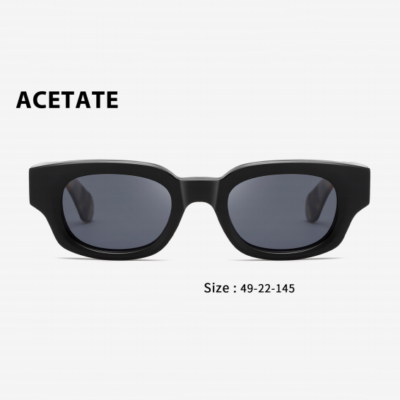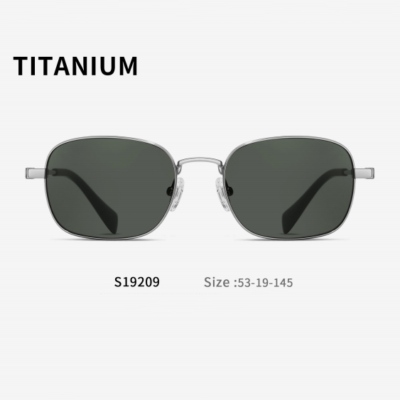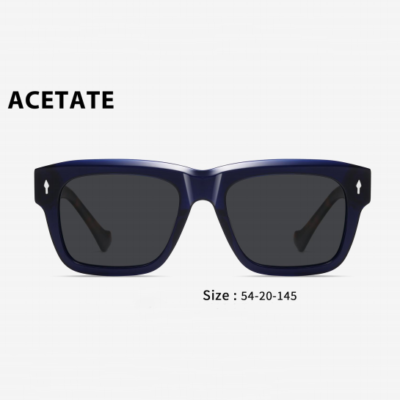

weight design, and sustainable product concepts.In the first half of 2025, the US eyewear import market exhibited structural differentiation, influenced by the dual factors of “moderate demand recovery” and “uncertainty in tariff policies.” Based on 2024 as a reference, the total import value of eyewear in the United States (classified under HS9004 and related codes) amounted to approximately USD 2.54 billion, with eyeglass frames accounting for about USD 1.27 billion. The primary source countries remained China, Italy, Japan, and South Korea, providing a benchmark for comparative analysis in the first half of 2025.
On the demand side, the US optical retail market reached USD 68.3 billion in 2024. In the first quarter of 2025, consumer spending on eyeglass frames and lenses/ophthalmic prescriptions increased compared to the previous quarter, thereby stimulating inventory replenishment and new product launches. However, the retail sector is evolving toward a more refined operational model, with a stronger emphasis on profitability and inventory turnover.
From a pricing perspective, the Bureau of Labor Statistics (BLS) “Eyewear and Ophthalmic Care” Consumer Price Index (CPI) maintained a moderate upward trend during the first half of the year. Combined with price increases by major brands and the rebalancing of channel discounts, importers placed greater emphasis on mid-to-high unit prices and differentiated materials such as titanium, β-titanium, and sustainable acetate.
Tariff policies emerged as the most significant exogenous factor affecting the market in the first half of the year. Since April, the implementation of the “reciprocal tariff” framework—establishing a baseline rate of 10%, with adjustments based on country and product category—has significantly increased the combined tax burden for plastic spectacle frames, finished lenses, and reading glasses, according to industry institutions and legal interpretations. Enterprises must now dynamically evaluate product origin, customs valuation, and classification codes.
In terms of import structure, high-value metal and titanium frames are predominantly sourced from Italy and Japan. Plastic frames continue to rely heavily on Chinese manufacturing capacity; however, to mitigate tariff and geopolitical risks, Vietnam, South Korea, and Mexico have assumed growing shares in supply. Sunglasses are primarily driven by rapid response capabilities and cost-effectiveness, with both OEM/ODM models and brand collaborations playing significant roles. Regarding distribution channels, leading US retailers are projected to maintain sales growth in 2024, thereby creating a “buffer stock” effect that supports the import and export rhythm in the first half of 2025.
Compared with previous years:
① Import volumes have stabilized, while values have risen due to higher tariffs and material upgrades;
② Prescription eyewear has outperformed purely fashion-oriented sunglasses in terms of performance;
③ The supply chain has become more decentralized, with compliance management and cost optimization emerging as core competitive capabilities.
Recommendations for the second half of the year include: securing key product models through alternative production in low-tariff countries; mitigating transit and tax uncertainties through small-batch, frequent replenishment strategies; and strengthening customs classification and valuation practices. Additionally, price increases should be supported by the use of mid-to-high-end materials, light