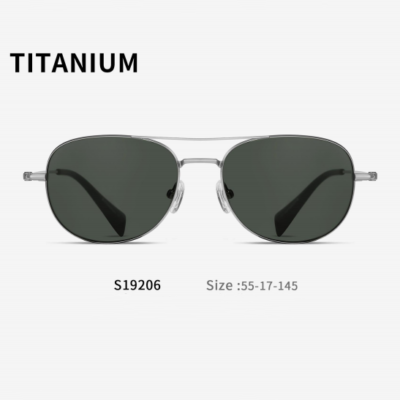

The global eyewear market is projected to reach USD 199 billion by 2026. Within this landscape, Danyang and Shenzhen in China continue to serve as the world’s primary hubs for wholesale eyewear manufacturing and distribution. Selecting an unsuitable supplier poses significant operational risks—including excessive inventory accumulation, elevated return rates, and missed seasonal sales opportunities. To support informed, strategic decision-making, this analysis outlines five critical pitfalls commonly encountered during supplier selection—along with evidence-based mitigation strategies—to help procurement professionals establish resilient, long-term, and mutually beneficial partnerships.
1. The Minimum Order Quantity (MOQ) Misconception
While suppliers offering low MOQs (e.g., 50–100 units) may appear flexible, such arrangements frequently result in higher per-unit costs due to shared mold utilization and inconsistent production control. A more sustainable approach involves negotiating tiered MOQs (e.g., starting at 500 units), securing advance agreements on dedicated or co-developed tooling, implementing batch production planning, and obtaining written confirmation of all commitments.
2. Unreliable Delivery Schedules
A quoted lead time of 75 days often extends to 90–100 days in practice—thereby jeopardizing alignment with peak retail seasons. Mitigation requires formalized progress tracking (e.g., weekly milestone reports), preference for vertically integrated suppliers with in-house manufacturing capacity, and contractual provisions for schedule adherence—including agreed-upon penalties for chronic delays.
3. Inconsistent Quality Assurance
Discrepancies between approved samples and bulk shipments—such as coating delamination, lens centration errors, or frame dimensional variance—are symptomatic of inadequate process standardization. Recommended safeguards include 100% pre-shipment inspection, explicit contractual language affirming that “the approved sample constitutes the binding quality benchmark for mass production,” retention of a 10% quality assurance deposit, and verification of production capability via live video factory audits.
4. Overlooking Material Specifications and Regulatory Compliance
An overemphasis on cost may lead to insufficient scrutiny of material certifications—particularly for advanced polymers such as TR90—or neglect of evolving sustainability standards. By 2026, eco-conscious materials and traceable supply chains have become industry expectations. Procurement teams should require third-party material test reports (e.g., ISO 10993, REACH, RoHS), prioritize suppliers with certified OEM/ODM capabilities, and verify compliance documentation prior to order placement.
5. Opaque Pricing Structures and Communication Gaps
Ambiguities in contractual terms—such as undefined rush fees, unitemized packaging surcharges, or delayed responsiveness—introduce unplanned cost escalations and operational friction. Best practice entails structuring transparent payment milestones (30% advance, 60% upon successful inspection, and 10% final settlement inclusive of quality deposit), mandating SLAs for communication response times (e.g., ≤4 business hours), and selecting partners with dedicated bilingual account management.
Ultimately, supplier selection transcends price-based evaluation; it reflects a strategic investment in supply chain integrity, brand reputation, and long-term profitability. Proactive measures—including early sample evaluation, independent factory assessments, and rigorously drafted contracts—serve as essential risk-mitigation levers. Partnering with a reliable, compliant, and operationally disciplined supplier enhances supply stability, supports margin resilience, and strengthens competitive positioning in an increasingly dynamic global market.