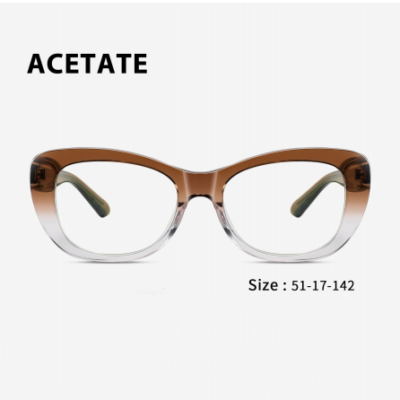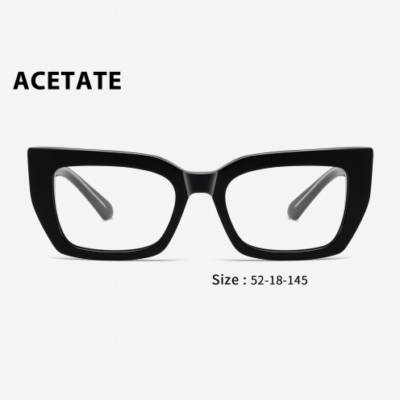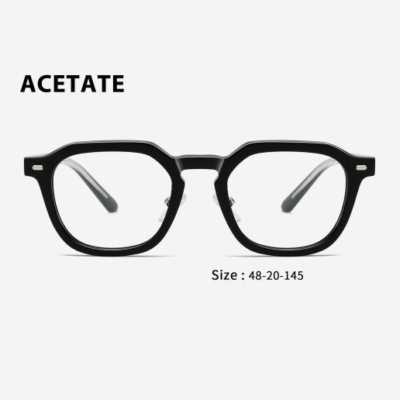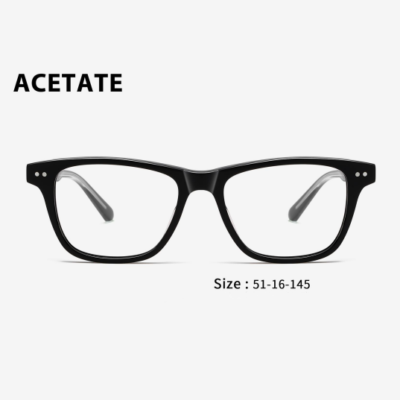

As an experienced professional in the #eyewear industry and a specialist in optometry, I strongly advise against purchasing prescription eyeglasses through online platforms. While online shopping may appear convenient and cost-effective, it entails significant risks related to optical accuracy, product quality, and ocular health—risks that consumers should carefully consider.
The primary concerns are as follows:
1. optometry Data Involves More Than Numerical Values
Prescription eyewear fitting relies not only on refractive parameters such as spherical power, astigmatism, and axis orientation, but also on critical individual anatomical factors—including interpupillary distance, vertex distance, pantoscopic tilt, and facial contour. These parameters require precise, in-person measurements that cannot be accurately replicated through online channels. Inaccurate alignment of the optical center may result in #visual discomfort, eye strain, dizziness, and potentially accelerated myopia progression.
2. Absence of Professional Frame Adjustment and Visual Adaptation
In brick-and-mortar #optical practices, trained opticians customize frame fit according to facial structure and personal usage patterns to ensure optimal lens positioning relative to the pupil. This personalized adjustment is essential for visual clarity and wearing comfort. Online purchases typically lack this service, increasing the likelihood of suboptimal visual performance and physical discomfort.
3. Challenges in Quality Assurance and Material Verification
Although many e-commerce platforms advertise high-quality lenses, consumers are unable to physically inspect materials, coating integrity, or anti-counterfeiting features. Substandard lenses may exhibit poor scratch resistance, inadequate UV protection, or inconsistent optical properties. Prolonged use of such lenses can impose additional strain on the visual system and compromise long-term eye health.
4. Limited After-Sales Support and Follow-Up Evaluation
Reputable optical retailers generally provide comprehensive aftercare services, including complimentary adjustments, follow-up refractions, and maintenance. In contrast, online transactions often lack structured post-purchase support. Should issues arise—such as discomfort or incorrect prescriptions—the return and replacement process tends to be cumbersome, delaying access to timely professional intervention.
In conclusion, the process of prescribing and fitting corrective eyewear extends beyond a mere commercial transaction; it constitutes a critical component of vision care and ocular health management. Physical optical establishments offer irreplaceable advantages in precision measurement, personalized fitting, and ongoing professional support. To safeguard visual well-being, individuals are strongly encouraged to seek services from certified optometry providers and accredited optical outlets. Prioritizing long-term eye #health over short-term savings is a responsible and necessary choice. Protecting vision today ensures a clearer, healthier future.