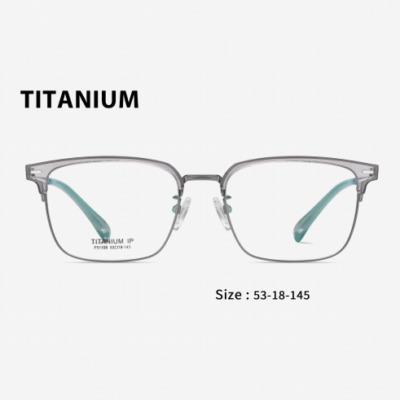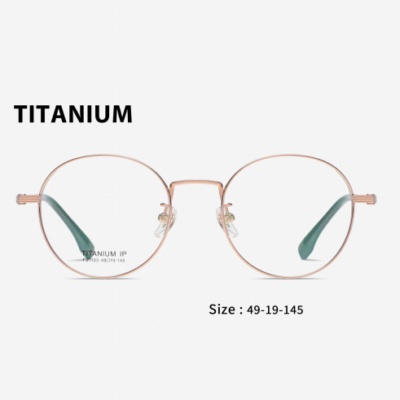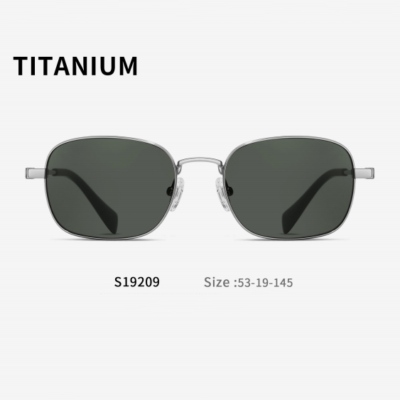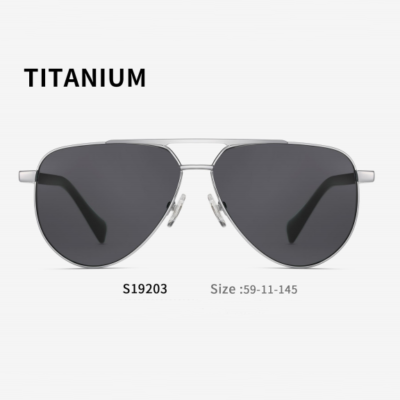

In recent years, observational insights from travelers to Japan and South Korea consistently highlight a pronounced shift in eyewear preferences among local populations. Historically perceived primarily as functional optical devices, eyeglasses have evolved into deliberate sartorial elements—particularly in urban centers such as Tokyo and Seoul—where minimalist frames now dominate street and café scenes. This transition mirrors broader sartorial movements toward understated elegance: much like the industry-wide pivot from ornate prints to refined solid-color apparel, minimalism in eyewear has ceased to be a stylistic option and instead become an established aesthetic standard.
A defining feature of this trend is the widespread adoption of ultra-thin metal-framed eyewear—especially among young adults. These frames employ precision-engineered titanium alloys or lightweight stainless steel, resulting in structural lines so slender they approximate fine wire contours. Despite their delicate appearance, they deliver exceptional facial framing: enhancing bone structure without visual dominance, conveying refinement, intellectual poise, and quiet confidence. In districts such as Shibuya and Hongdae, it is common to observe individuals pairing such frames with clean-cut hairstyles and relaxed yet polished casualwear—projecting an image that is simultaneously sophisticated and approachable, effectively dismantling outdated stereotypes associating eyewear with academic rigidity.
The popularity of these designs stems from a confluence of aesthetic coherence, material excellence, and accessible premium positioning. Leading Japanese brands—including JINS and Zoff—and Korean labels such as Gentle Monster’s entry-tier collections offer rigorously proportioned thin-frame models crafted from high-grade, hypoallergenic metals. Their ergonomic lightness (often under 15 grams) ensures all-day comfort, while surface finishes and hinge engineering reflect luxury-grade craftsmanship. Pricing typically ranges from ¥500 to ¥1,500—significantly below the premium segment’s ¥3,000+ benchmarks—making them attainable for early-career professionals and knowledge workers. This alignment of elevated design, functional integrity, and rational cost reflects a broader cultural orientation toward “value-conscious sophistication”: prioritizing discernment over conspicuous consumption.
At its core, minimalist eyewear embodies the principle of “less is more.” Absent are superfluous embellishments, exaggerated geometries, or decorative motifs; instead, emphasis falls on purity of line, balanced proportions, and harmonious integration with facial anatomy. Clinical and stylistic evidence suggests such frames soften perceived facial contours and elevate overall presence—particularly advantageous for East Asian facial structures, where subtle framing accentuates natural symmetry without competing for visual attention. Notably, multiple Korean lifestyle influencers have reported measurable gains in self-perception and photographic confidence following transitions to thin-metal frames—a testament to their psychosocial resonance.
For eyewear manufacturers and designers, this evolution signals a meaningful paradigm shift: glasses are no longer relegated to corrective utility but embraced as intentional, expressive components of personal identity and daily attire. The ascendance of minimalism—from niche preference to foundational norm—reflects deeper societal values: intentionality in consumption, appreciation for tactile and visual refinement, and a commitment to authenticity in self-presentation.
Should you be considering an eyewear update, we recommend evaluating ultra-thin metal frames—not merely as an accessory, but as a calibrated enhancement to your visual presence and daily composure.
For further information on curated frame selections, technical specifications, or personalized consultation, please contact Grand Eyewear at your convenience.
Grand Eyewear — Precision Crafted,Thoughtfully Designed.