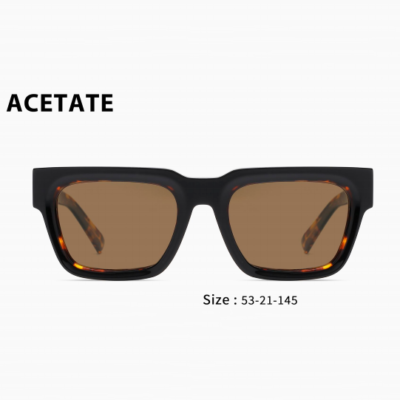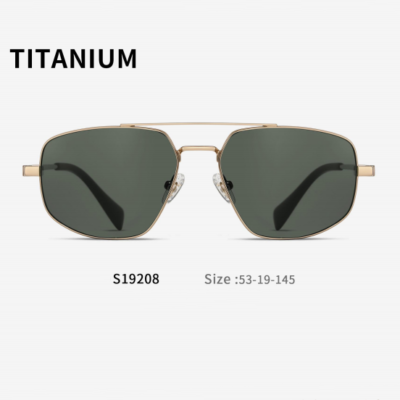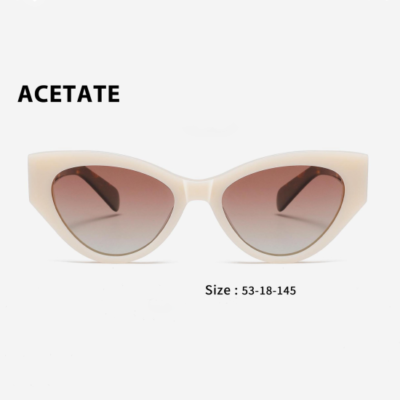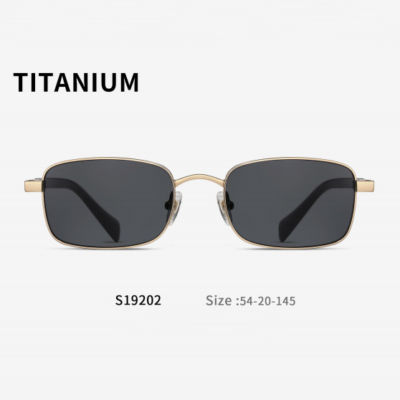
Historically, the European eyeglasses market has been predominantly design-led. However, over the past two years, a structural shift has emerged: consumers’ primary purchase criterion is transitioning from “aesthetic appeal” to “wearing comfort”—a change fundamentally driven by a marked increase in daily wearing duration.
First, the digital lifestyle is transforming usage patterns. Prolonged engagement with digital devices—including computers and smartphones—has significantly extended the average daily wear time for corrective and lifestyle eyewear across Europe. This shift extends beyond occasional or functional use toward continuous, all-day reliance. Empirical studies indicate that rising screen exposure correlates strongly with increased prevalence of visual fatigue and myopia progression, thereby accelerating prescription updates and reinforcing eyeglass’s role as a long-term personal accessory—not merely an intermittent optical tool.
In this context, frame weight has become a decisive factor in user experience. While traditional metal or dense-material frames perform adequately during brief, intermittent use, they impose measurable physiological strain—including nasal bridge pressure and auricular discomfort—during sustained wear exceeding eight hours. Consequently, European consumers are increasingly prioritizing lightweight materials such as ultra-thin stainless steel, titanium alloys, and advanced polymer composites engineered for structural efficiency.
Second, the hierarchy of consumer decision-making criteria has evolved:
Comfort > Aesthetic Design > Brand Premium
Although fashion relevance remains high in Europe, preference is shifting from purely visual impact toward an integrated balance of functionality and aesthetics. Supporting this trend, industry data reveals that, amid macroeconomic uncertainty, consumers exhibit stronger preference for products offering durability, ergonomic comfort, and long-term value retention. As a result, the “lightweight + durable” specification has become the fact standard across mid- to high-tier segments.
Demographic dynamics further reinforce this trajectory. Europe’s aging population—particularly the growing cohort of middle-aged and senior users—exhibits heightened sensitivity to physical comfort during prolonged wear, thereby amplifying demand for low-weight, pressure-distributed frames.
On the supply side, product development strategies are evolving in parallel. Leading lightweight frames now commonly feature three interrelated engineering attributes:
• Optimized weight distribution (minimizing localized pressure on the nasal bridge and temples);
• Enhanced material elasticity and shape-memory performance (ensuring stable fit over extended periods);
• Streamlined structural design (reducing overall mass without compromising rigidity or longevity).
Such frames emphasize subtlety over spectacle—achieving repeat purchase through an “unobtrusive wearing experience,” a characteristic increasingly valued across European wholesale and retail channels.
For manufacturers and suppliers, this evolution signals a strategic inflection point: future competitiveness will hinge less on stylistic breadth and more on deep domain expertise in long-duration ergonomics.
At #GrandEyewear, we observe this shift directly in customer engagement. Increasingly, buyers prioritize objective performance metrics—such as precise frame weight, pressure distribution profiles, and validated comfort ratings—over subjective assessments like trendiness or brand visibility. In response, our R&D and design strategy is deliberately converging toward:
Integrating lightweight structural engineering with timeless aesthetic principles—ensuring both commercial viability and genuine end-user willingness to wear the product throughout the day.
In conclusion, the ascendancy of lightweight eyewear frames reflects not a passing fad, but a durable, multi-driver paradigm shift rooted in evolving usage behaviors, demographic transitions, and refined consumer expectations. In the European market, leadership in the next growth phase will belong to those who most effectively resolve the dual challenge of “extended wear” and “sustained comfort.”