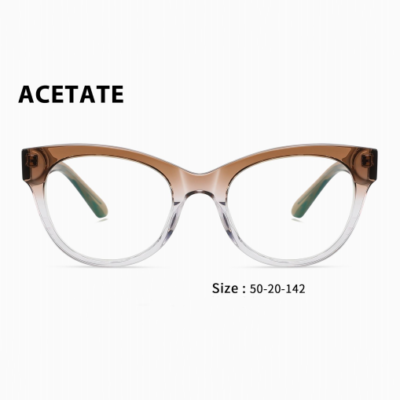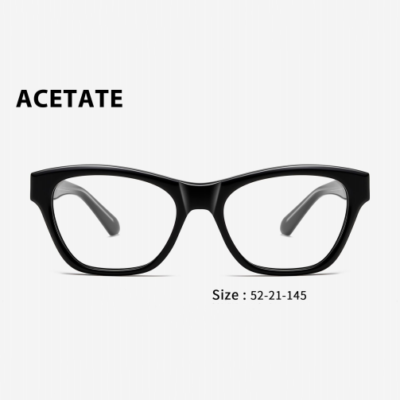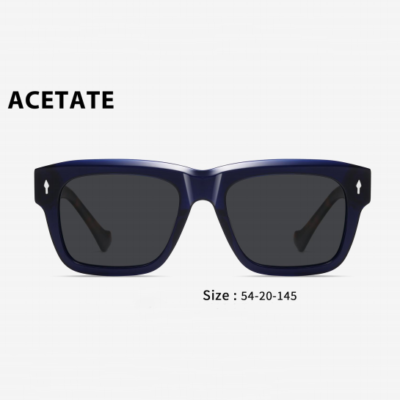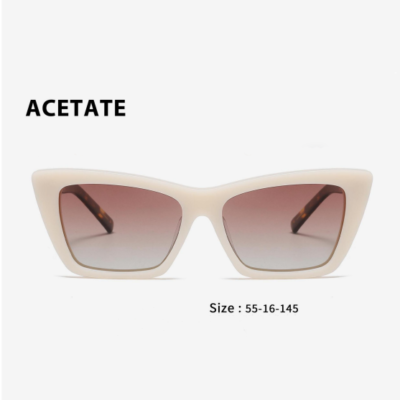
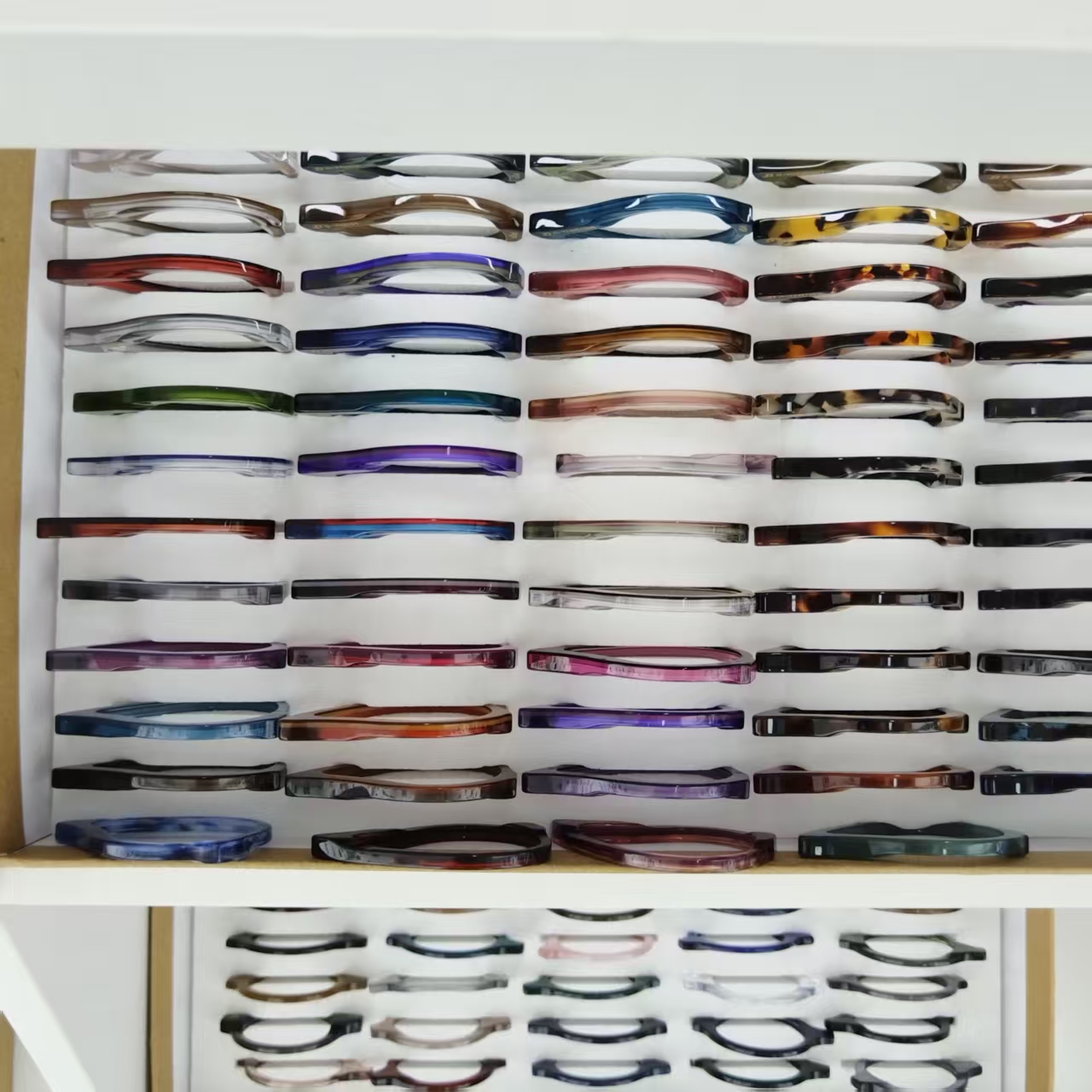
Historically, consumer choices in eyeglasses have been driven by brand logos. However, in the coming decade, the defining attributes of premium eyeglasses will shift from visible branding to embedded technological innovation, sustainability principles, and intelligent user experiences. The following three dimensions are redefining the value proposition of high-end eyeglasses.
1. Material Innovation: Lighter, Stronger, and More Sustainable
The “invisible competitive edge” of premium eyeglasses begins with advanced materials:
Ultra-lightweight materials: Next-generation titanium alloys and carbon fiber composites reduce frame weight to 3–5 grams—60% lighter than conventional materials. These materials offer superior durability and enable precision manufacturing with tolerances as tight as 0.05 millimeters, ensuring a near-weightless wearing experience.
Smart adaptive lenses: Lenses capable of dynamically adjusting light transmittance in response to ambient conditions integrate functionalities ranging from blue light filtration to anti-fatigue optimization. Future iterations may incorporate embedded health monitoring microchips for real-time detection of ocular fatigue or intraocular pressure anomalies.
Widespread adoption of sustainable materials: Recycled plastics derived from post-consumer bottles, marine debris, and plant-based biodegradable polymers are becoming standard in high-end product lines. Leading brands have implemented full lifecycle carbon tracking, enabling consumers to quantify the environmental impact of their eyewear purchases.
2. Intelligent Integration: From Visual Clarity to Cognitive Insight
Eyeglasses is evolving beyond vision correction into a platform for personal health management:
Augmented Reality (AR) interfaces: Smart lenses can project navigation cues, real-time translation, and message alerts. For instance, during physical activity, temple arms may vibrate to signal abnormal heart rate; in office environments, they automatically filter screen-emitted blue light.
Personalized health analytics: Integrated micro-sensors in the temple arms monitor daily eye usage, ambient lighting conditions, and generate personalized eye health reports. For younger users, certain models already provide predictive analytics for myopia progression based on usage patterns.
Ergonomic and adaptive design: Biomimetic temple arms and self-adjusting hinges ensure secure and comfortable fit across diverse activities—including running, exercising, or even sleeping. The latest advancements have reduced frame weight to approximately 5.5 grams—comparable to a single A4 sheet—eliminating pressure points on the nasal bridge.
3. Sustainable Circularity: From Disposal to Renewal
Sustainability has transitioned from a marketing claim to a strategic imperative for premium brands:
Closed-loop recycling programs: Brands now offer take-back initiatives where retired frames are repurposed into new eyewear or upcycled into alternative products. For example, used temple arms may be transformed into limited-edition jewelry, while lens coatings can be reclaimed for use in UV-protective apparel.
Zero-waste manufacturing: From anti-reflective coatings to packaging, all components utilize biodegradable or compostable materials. A German manufacturer employs a proprietary process enabling eyeglasses cases to fully decompose within six months in soil, without releasing harmful residues.
Transparent supply chain traceability: Consumers can scan QR codes to access a comprehensive “carbon footprint profile,” detailing raw material origins, energy consumption during production, and logistics emissions. This transparency incentivizes continuous improvement in environmental performance across the industry.
Future Outlook: Invisible Technology, Visible Value
As 3D printing enables 72-hour custom fabrication and AI-driven algorithms anticipate changes in visual acuity, competition in the high-end segment will increasingly center on “invisible technical differentiators.” Lens coatings may shift messaging from technical specifications to long-term benefits such as “color stability over ten years,” while sustainable materials will emphasize third-party certifications like “zero-carbon facility accreditation” rather than mere recycling percentages.
The future of high-end eyeglasses lies at the intersection of technological sophistication, environmental stewardship, and personal expression. It no longer relies on overt branding to convey status; instead, every design detail silently communicates technological excellence and corporate responsibility.