
As an experienced product manager and optometrist, I am frequently asked by friends and colleagues: “Since laser surgery can effectively correct myopia, why do so many people still choose to wear eyeglasses?” In reality, eyeglasses and laser correction surgery serve different clinical and lifestyle needs. The continued prevalence of eyeglasses is not only due to their safety and non-invasiveness but also stems from their unique functional and practical advantages. The following analysis outlines the comparative benefits and limitations of both options from a professional standpoint.
1. The Enduring Advantages of Wearing Eyeglasses
1.1 Safety and Broad Applicability
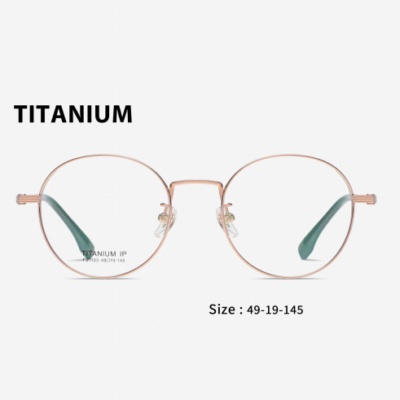
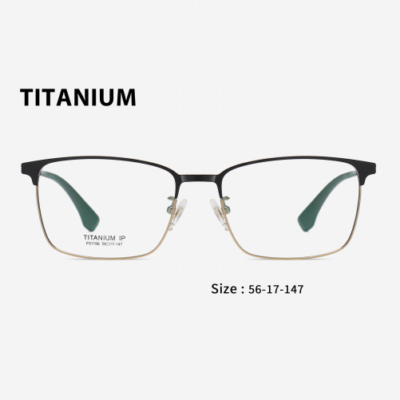
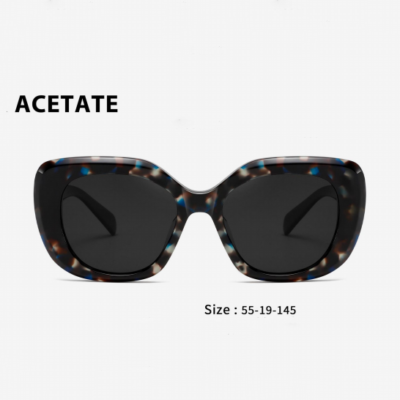
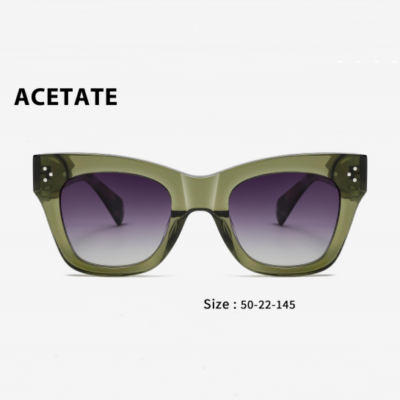
Eyeglasses are a non-invasive vision correction method suitable for individuals across all age groups, particularly children and adolescents whose refractive errors are still developing. For individuals with mild myopia (below 300 degrees) or contraindications for surgery—such as insufficient corneal thickness or irregular astigmatism—eyeglasses remain the safest and most appropriate option. Additionally, modern eyeglasses has evolved into a fashion accessory, allowing users to express personal style while correcting vision.
1.2 Multifunctional Protective Features
Contemporary eyeglass lenses can incorporate advanced optical technologies, including blue light filtration and ultraviolet (UV) protection, which help mitigate ocular damage caused by prolonged screen exposure. For individuals with high visual demands—such as students, software developers, and office workers—specialized lenses can significantly reduce eye strain and may contribute to the prevention of dry eye syndrome.
1.3 Flexibility and Cost-Effectiveness
Eyeglasses offer unmatched convenience in terms of usage and maintenance. They can be easily worn or removed depending on activity, making them ideal for sports, swimming, or transitional visual needs. Maintenance costs are relatively low, and there is no risk of postoperative complications such as infection or corneal healing issues.
2. Potential Risks and Limitations of Laser Surgery
Despite the technological advancements in laser refractive surgery (e.g., LASIK, SMILE, and femtosecond laser procedures), these interventions involve permanent alteration of corneal tissue and carry inherent risks:
2.1 Structural Impact on the Cornea
The surgical process involves reshaping the cornea through ablation, which may result in corneal thinning, biomechanical weakening, or, in rare cases, iatrogenic keratoconus—a condition that may necessitate corneal transplantation. Furthermore, the incidence of postoperative dry eye syndrome ranges from 30% to 50%, often accompanied by symptoms such as glare, halos, or regression of visual acuity.
2.2 Strict Eligibility Criteria
Laser surgery is indicated only for patients with stable refraction (typically over 18 years of age), adequate corneal thickness (generally at least 400 microns), and absence of ocular surface diseases such as dry eye or conjunctivitis. Patients with high myopia (>1000 degrees) or large pupil size are at increased risk of suboptimal outcomes or postoperative complications.
2.3 Irreversibility and Psychological Considerations
As a permanent procedure, any surgical complication may lead to irreversible visual impairment. Long-term follow-up is essential, and some patients may experience dissatisfaction with the results or develop psychological stress, ultimately requiring continued use of corrective lenses post-surgery.
3. Clinical Recommendations and Decision-Making
Eyeglasses and laser surgery should not be viewed as mutually exclusive alternatives. For individuals prioritizing safety, reversibility, or those who do not meet surgical criteria, eyeglasses represent the optimal solution. Conversely, patients who fulfill medical eligibility requirements and desire reduced dependence on visual aids may consider surgery following comprehensive evaluation by an ophthalmologist.In conclusion, the role of eye care professionals is to provide individualized recommendations based on patient-specific factors. The conservative nature of glasses underscores their reliability and safety, whereas the more invasive nature of laser surgery demands thorough risk assessment and informed consent. Regardless of the chosen method, regular ophthalmic examinations and healthy visual habits remain fundamental to long-term eye health.